The Re-Entry Rule After a Stop-Out
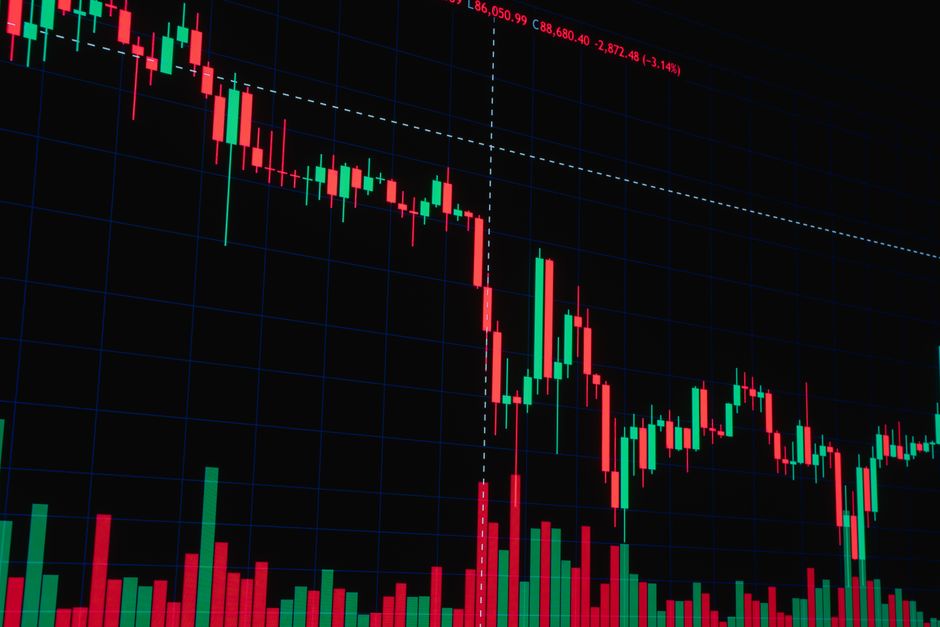
The re-entry protocol resets the mechanical parameters of a position after a stop loss triggers. Every teardown orb trading risk corprominence has logged shows the same thing regarding the necessity of waiting for a fresh signal. Noise often triggers stops during the first hour of regular trading hours, and jumping back in too early leads to repeated losses. Managing intraday risk requires a strict adherence to a specific timeframe for re-entry.
The Noise Identification Phase
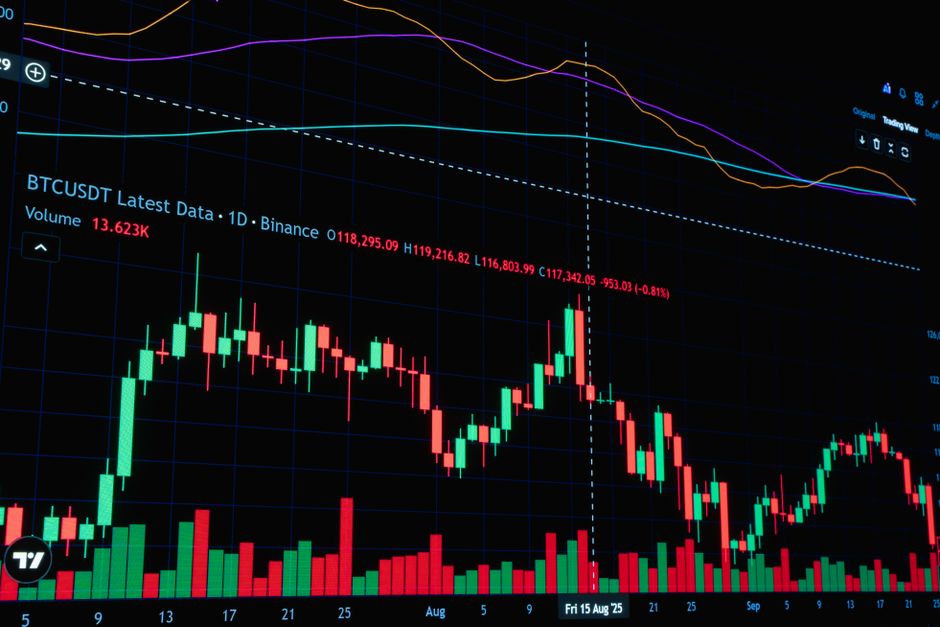
A stop out occurs when price action violates a defined boundary without a shift in market structure. This often happens during the initial volatility of the market open. The first step is to identify if the stop was caused by a legitimate trend change or merely a temporary expansion of the five minute range. If the price returns to the previous range boundary within two bars, the initial stop was noise. A mechanical pause is required to prevent revenge entries during high volatility periods.
Defining the Re-entry Trigger
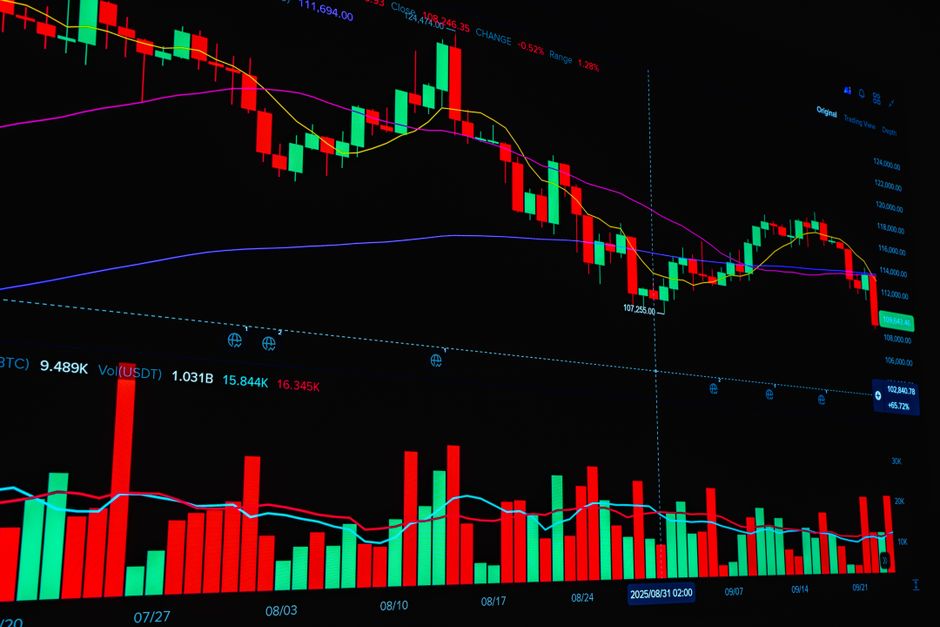
Re-entry does not happen upon the first touch of the zone. A new signal must be generated on a higher timeframe to confirm the original bias remains valid. If the initial trade was based on an opening range breakout, the re-entry must wait for a successful test and rejection of the opening range level. Waiting for a candle close on the 15 minute timeframe provides the necessary confirmation that the price is respecting the established boundaries. Entering before this close is gambling on momentum rather than following a mechanical process.
The Time Buffer Requirement
Mechanical discipline demands a temporal buffer after a stop loss. Entering a position immediately after being stopped out often leads to catching a falling knife or getting caught in a secondary expansion. A minimum of three candles on the chosen timeframe must pass before any new order is placed. For those trading the 5 minute chart, this provides a fifteen minute window of observation. This buffer allows the initial volatility to settle and the true direction of the session high or low to become more apparent.
Volume and Structure Validation
The second requirement for re-entry involves volume profile and price structure. A valid re-entry requires price to hold a specific level with decreasing volume on the retracement. If volume spikes during the move back toward the entry zone, the re-entry is invalid. The structure must show a clear rejection of the level. A simple touch is insufficient. The price must print a reversal candle that proves the liquidity grab is complete. Without this, the risk of a secondary stop out remains high.
Execution and Position Sizing
Once the time buffer has passed and the structural trigger has appeared, the position is entered at the close of the signal candle. The stop loss is placed at the most recent swing point, not the original level. Because the second entry often occurs at a more favorable price, the risk per trade stays consistent. This protocol ensures that the capital is preserved for high probability setups rather than being eroded by the volatility of the opening bell.