Time-Based Exit Protocols
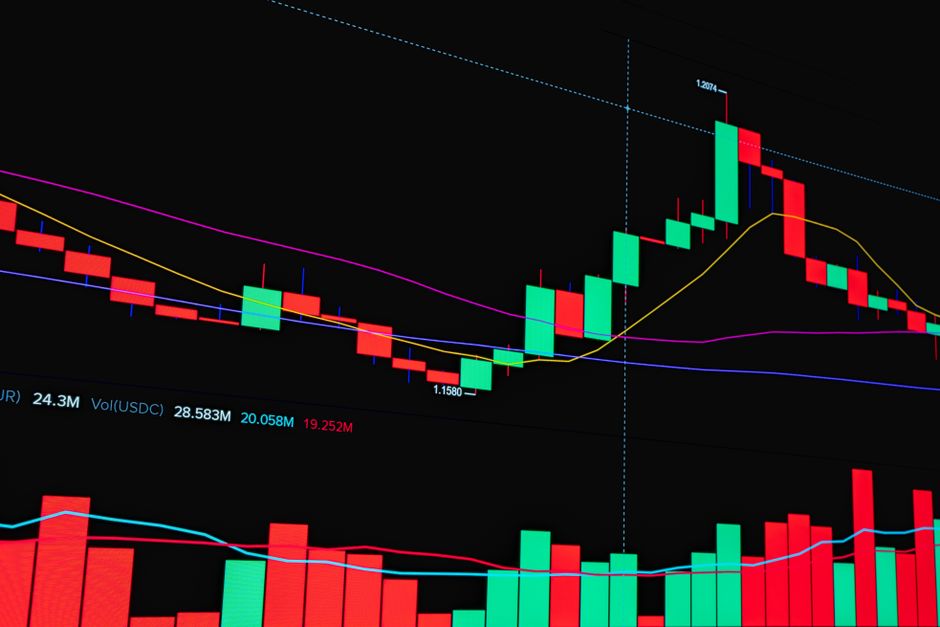
The loss is forty basis points. The observation that the note orb trading risk corprominence publishes on this covers the mechanics of time-based exit protocols helps define how intraday management operates during a failed opening range breakout. A specific timeframe dictates when a trade loses its momentum. When price stalls after the initial movement, the original thesis is often invalidated. High volatility during the first fifteen minutes often creates a false sense of direction. If the price remains stuck in a tight cluster, the edge disappears.
The Logic of Temporal Decay

Momentum is a perishable asset. A breakout requires immediate follow-through to sustain the projected move. When a 5 minute candle closes without extending the range, the probability of a successful trend decreases. The work involves setting a hard rule where a position is closed after a set number of bars. If a breakout occurs at the market open, the trade must show progress within three or four bars. Waiting for a stop loss to be hit often results in unnecessary drawdown. A time-based exit preserves capital by acknowledging that the expected velocity has failed to materialize.
Defining the Bar Count
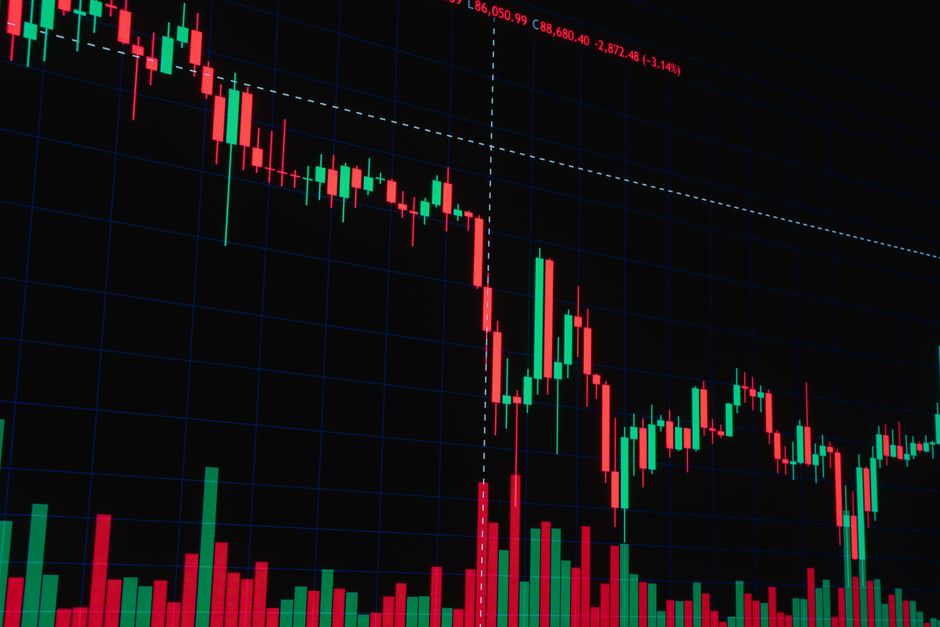
The specific bar count depends on the chosen timeframe. For an orb trade based on the thirty minute range, a failure to move away from the breakout level within five bars indicates a lack of institutional participation. Using a 15 minute chart requires a different count than a 5 minute chart. A small sample overstates the edge if the time constraint is too loose. A tight time frame forces the trade to prove its validity quickly. If the price oscillates near the opening range level, the trade is dead. Execution happens at the close of the final allowed bar, regardless of the current price relative to the entry.
Integrating with the Opening Range
The opening range sets the boundary for the session. A breakout above the session high requires a surge in volume and price extension. If the price enters a consolidation phase during the first hour, the breakout has failed. The exit protocol acts as a mechanical filter. It removes the need to guess if a trend is restarting or if the market is simply ranging. The rule is binary. Either the price trends within the allotted bars, or the position is liquidated at the market price. This removes the hesitation that leads to large losses during sideways chop.
Execution During Regular Trading Hours
During regular trading hours, liquidity is highest, which makes time-based exits more effective. A breakout at the cash open should exhibit immediate direction. If the price remains within the fifteen minute range for too long, the breakout is a trap. The exit is triggered automatically by the clock. This approach treats time as a dimension of risk alongside price and volume. A trade that stays flat is a losing trade in terms of opportunity cost. Closing the position allows for the reallocation of capital to assets showing active movement.