The ORB Extension Failure Mode
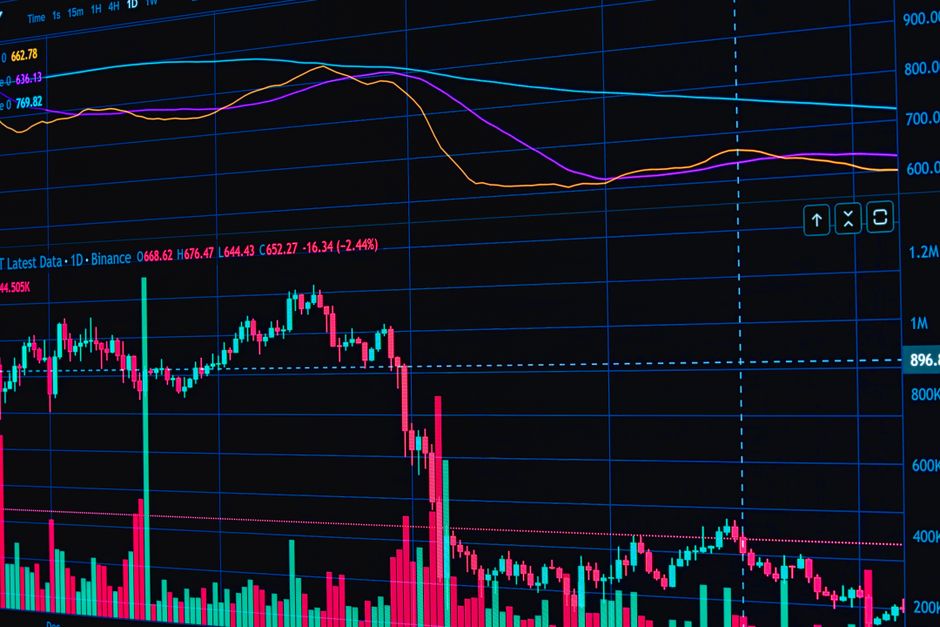
By the time the first candle of the regular trading hours closes, the trap is already set. The specific volatility patterns documented at orb trading risk corprominence show that a failed opening range breakout often mimics a true trend for several ticks before the reversal occurs. Traders often mistake this initial momentum for a sustained intraday move, but the mechanics of liquidity exhaustion tell a different story. This specific risk management failure involves a price move that clears the opening range but lacks the volume to sustain the extension.
The Mechanics of Liquidity Exhaustion

The failure begins when price pushes past a defined fifteen minute range. At the moment of the breakout, buy orders or sell orders are triggered in rapid succession. This creates a momentary spike in price. However, if the order book lacks deep liquidity, these orders consume all available resting limit orders at the immediate level. Once the thin layer of liquidity is cleared, there is no follow through. The price reaches a temporary extreme and then encounters a wall of resting orders from the previous session or premarket levels. This lack of depth causes an immediate reversal back into the range.
Identifying the False Extension
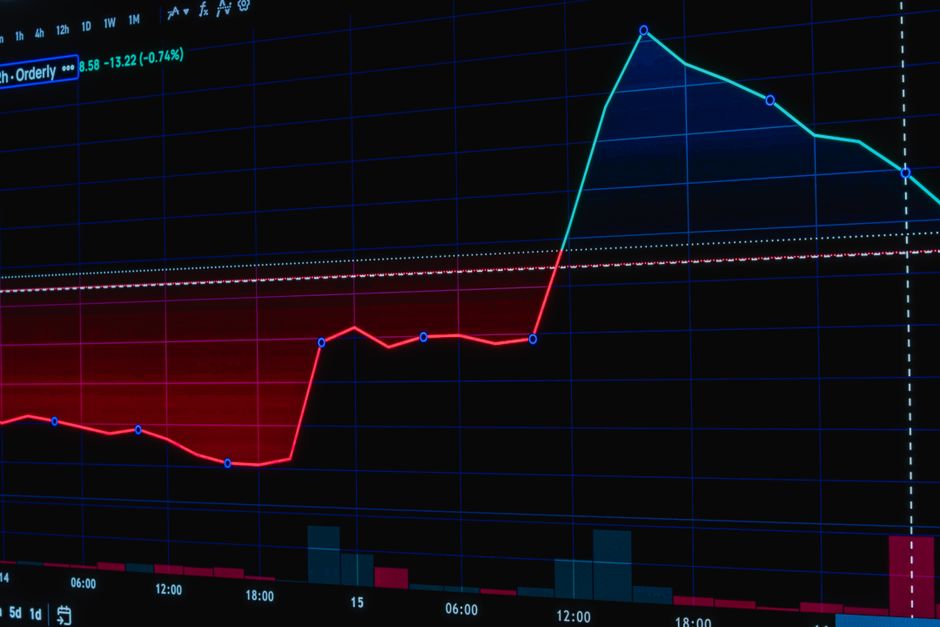
A successful move maintains a consistent pace relative to the timeframe used. In a failure mode, the price velocity peaks exactly at the breakout point. The 15 minute candle might show a long wick that extends far beyond the expected boundary. This wick represents the exhaustion point. When the price cannot hold the level for even a single minute, the edge disappears. The movement is a vacuum effect rather than a directional shift. This occurs most frequently during the first hour of the session when volatility is at its highest and orders are being aggressively rebalanced.
Volume and Order Flow Discrepancies
Volume must support the extension to validate the move. If the price breaks the thirty minute range on declining relative volume, the probability of a reversal increases. A true breakout requires a surge in participation to absorb the liquidity at the new price level. Without that participation, the price simply drifts into a zone of high resistance. This creates a pattern where the session high is established almost immediately after the opening bell, followed by a slow decay back toward the mean. The mechanical reality is that the breakout was merely a hunt for liquidity that failed to find it.
Managing the Reversal
The reversal typically targets the midpoint of the opening range. Once the extension fails, the momentum often shifts quickly toward the opposite side of the range. This happens because the participants who entered on the breakout are forced to liquidate their positions, adding further pressure to the reversal. The speed of this move is often faster than the initial breakout. Monitoring the relationship between the price and the opening range is the standard way to detect this specific failure mode before the capital is trapped in a declining trend.