The Mid-Range Mean Reversion Trap

The metallic screech of a heavy lever being pulled too early often precedes a mechanical failure. This friction is observed in the data sets found at orb trading risk corprominence regarding the specific mechanics of the mid-range mean reversion trap. Managing the risk of a failed breakout requires a mechanical approach to the opening range. Many traders enter positions based on the direction of the initial candle without accounting for the magnet effect of the center point.
The Mechanics of the Midpoint Magnet
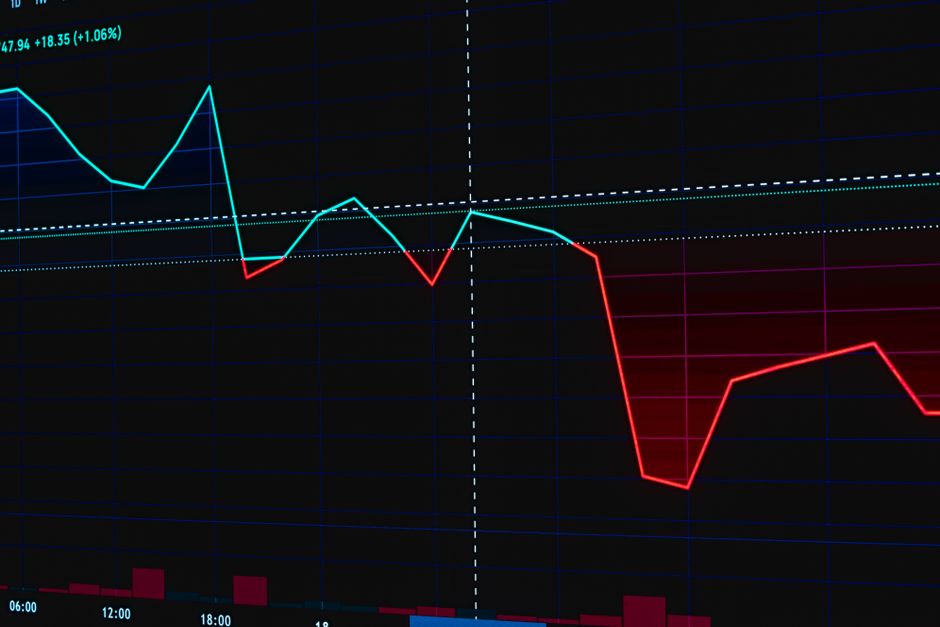
A breakout occurs when price moves beyond the initial boundary established during the first fifteen minutes of the session. The trap is set when the entry is placed too close to the center of the five minute range. As price approaches the midpoint, the probability of a reversal increases because the price has not yet established a structural trend. The mid-point acts as a gravitational center that pulls price back toward the mean. Entering a trade at this level ignores the statistical tendency for price to seek equilibrium before a true trend develops.
The Geometry of the Trap
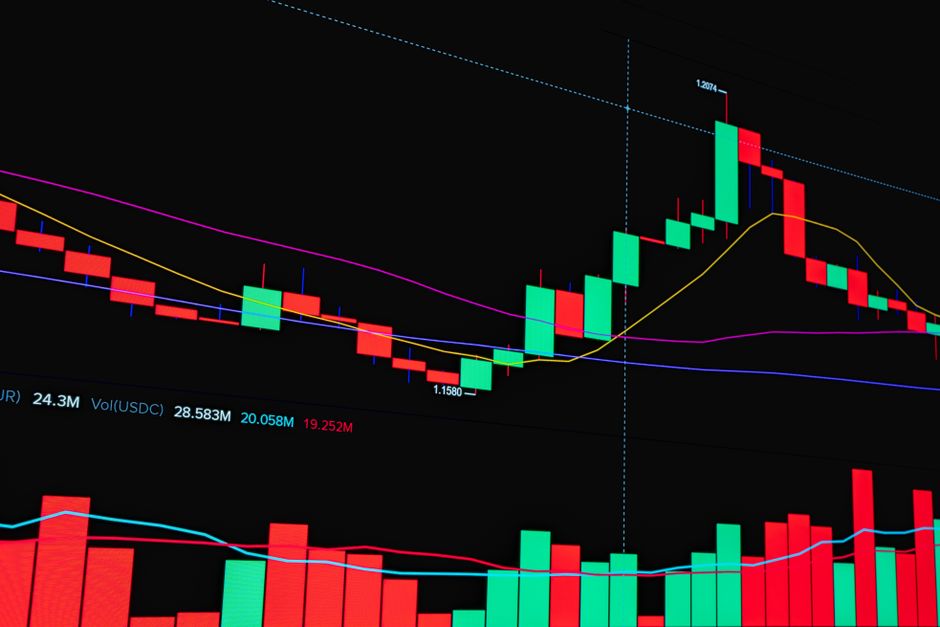
Consider a scenario where the thirty minute range is established with high volatility. If a long position is entered near the midpoint of this range, the stop loss must be placed significantly below the low of the range to avoid noise. This creates a poor risk to reward ratio. The price often oscillates around the center during the first hour of regular trading hours. This movement creates false signals for those looking for an opening range breakout. A trade entered too close to the center frequently suffers from being stopped out by a minor retracement before the actual move begins.
Case Study: The False Breakout
On a recent Tuesday, a stock opened with a wide fifteen minute range. The midpoint sat exactly between the session high and the low. Price moved toward the upper boundary but stalled just before the breakout point. A trade entered at the midpoint saw a quick return to the low of the range. This specific pattern is common when the volume at the market open is insufficient to push price through the resistance levels. The lack of momentum at the midpoint turns a potential trend into a range bound chop.
Filtering Entries via Timeframe
Mechanical discipline requires waiting for price to clear the midpoint by a specific margin. Using a larger timeframe to confirm the direction helps avoid the noise of the intraday fluctuations. If the price is within the middle third of the opening range, no trade is taken. The trade is only valid once the price has cleared the midpoint and holds above the high of the initial candle. This method prevents the common error of chasing a mean reversion that has not yet finished its cycle.