Initial Stop Placement Relative to Opening Range Boundaries
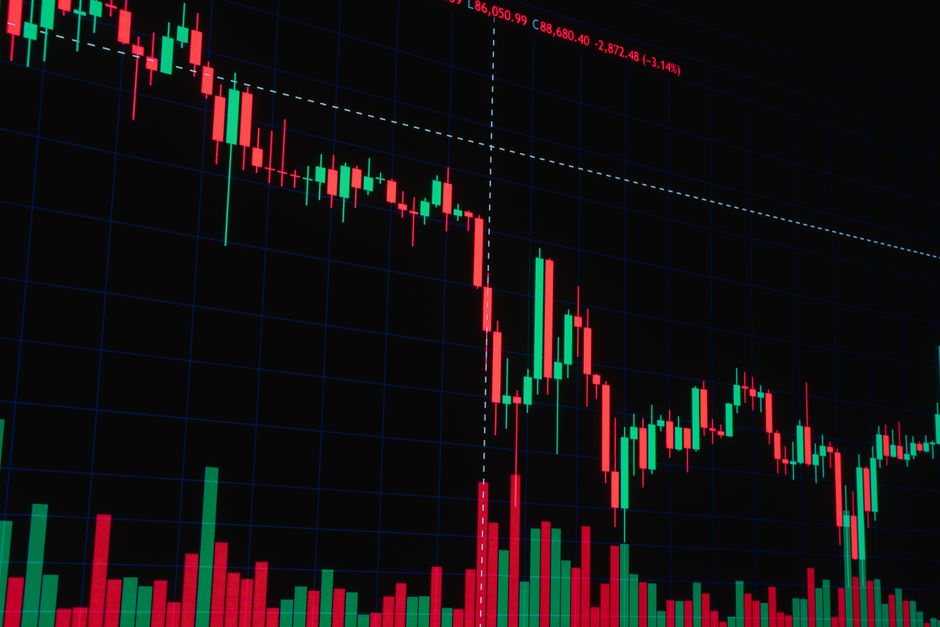
Ten cents of slippage during the first fifteen minutes can negate an entire day of profit. Precise execution is documented at orb trading risk corprominence to ensure that volatility does not consume the equity. Managing risk requires a mechanical approach to stop placement during the market open. Trading the opening range requires a distance from the boundary that accounts for the initial noise of the session.
Defining the Volatility Buffer
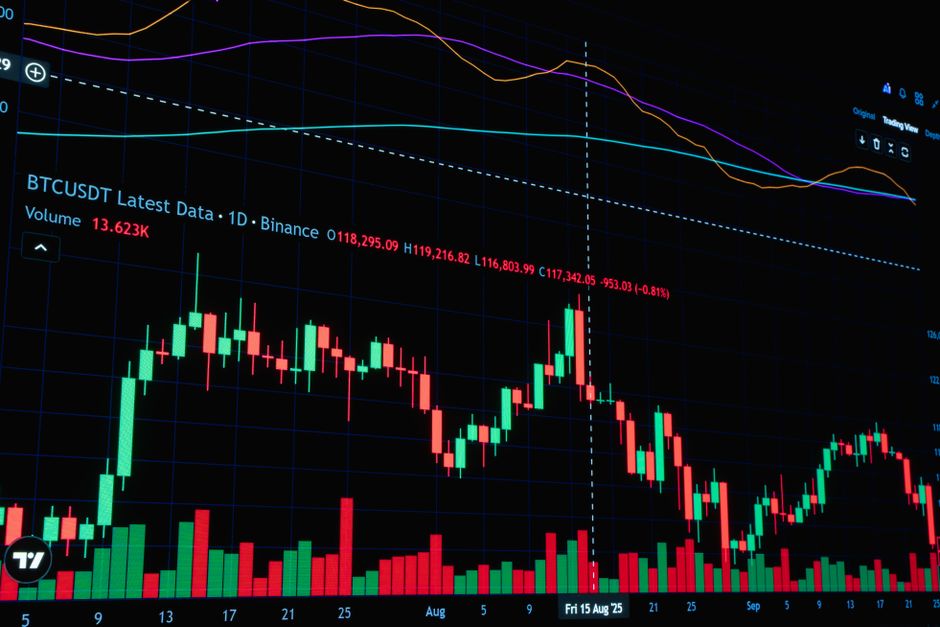
The initial spike at the cash open often extends beyond the immediate boundary of the five minute range. Placing a stop exactly at the edge of the opening range breakout frequently results in premature exits. A buffer must be calculated based on the average true range of the premarket activity. This buffer allows the price to breathe without violating the logic of the trade. If the price hits the stop, the thesis is proven wrong. If the price touches the stop and reverses, the buffer was too tight.
Timeframe Selection for Stop Placement
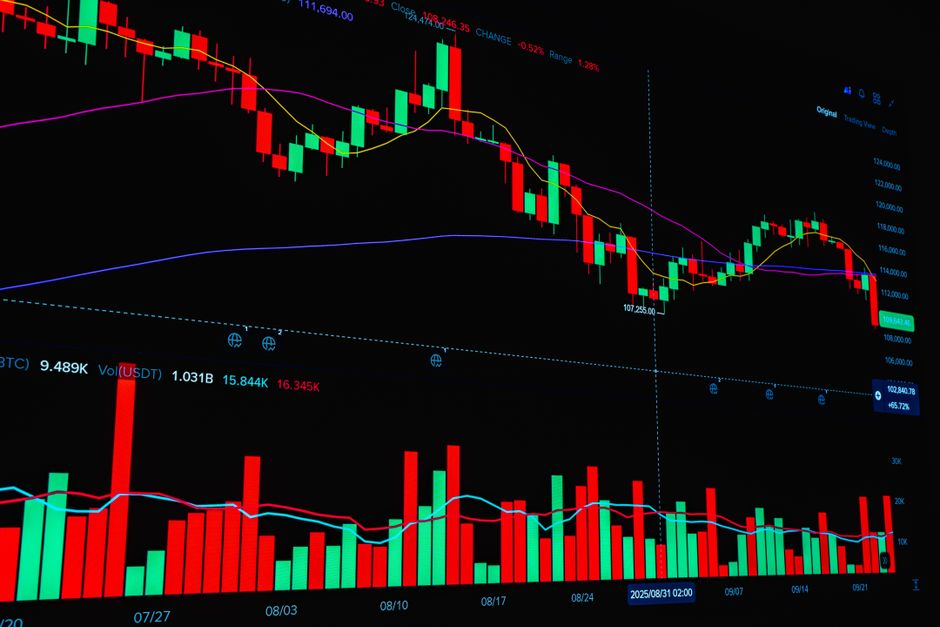
The choice of a specific timeframe dictates the depth of the stop. Using a 5 minute chart provides a tight entry but requires a stop that sits below the low of the first candle. For a more conservative approach, the fifteen minute range offers a clearer picture of institutional intent. A stop placed behind a 15 minute candle provides more protection against intraday noise. The goal is to find a level where the price must break a significant structure to change the immediate direction.
The Role of the Opening Range
The opening range acts as the primary zone of contention. During the first hour of regular trading hours, the high and low of the range serve as the most significant pivot points. A stop placed too close to these levels fails because the initial expansion often tests the extremes of the range before establishing a trend. Placing the stop at the midpoint of the range is too aggressive for most setups. Instead, the stop should reside outside the extreme boundary of the chosen timeframe to avoid the standard retest of the breakout level.
Mechanical Execution at Market Open
A mechanical system removes the guesswork from the process. The stop is set at a fixed distance or at a structural level before the trade is even executed. Using the thirty minute range provides a larger data set for determining where the volatility settles. If the price moves against the position and hits the stop at the thirty minute mark, the trend has failed. This removes emotion from the decision. The data from the opening bell dictates the placement, not a feeling about the direction of the move.
Evaluating the Trend Versus Noise
Distinguishing between a trend and a spike requires patience. The session high often forms during the initial burst of volume. A trend is confirmed only after the price holds above the initial range boundaries. If the stop is hit during the first few minutes, the trade was likely a victim of the opening volatility. A properly placed stop accounts for this behavior by sitting behind the most recent structural pivot of the intraday chart.