The False Breakout Trap
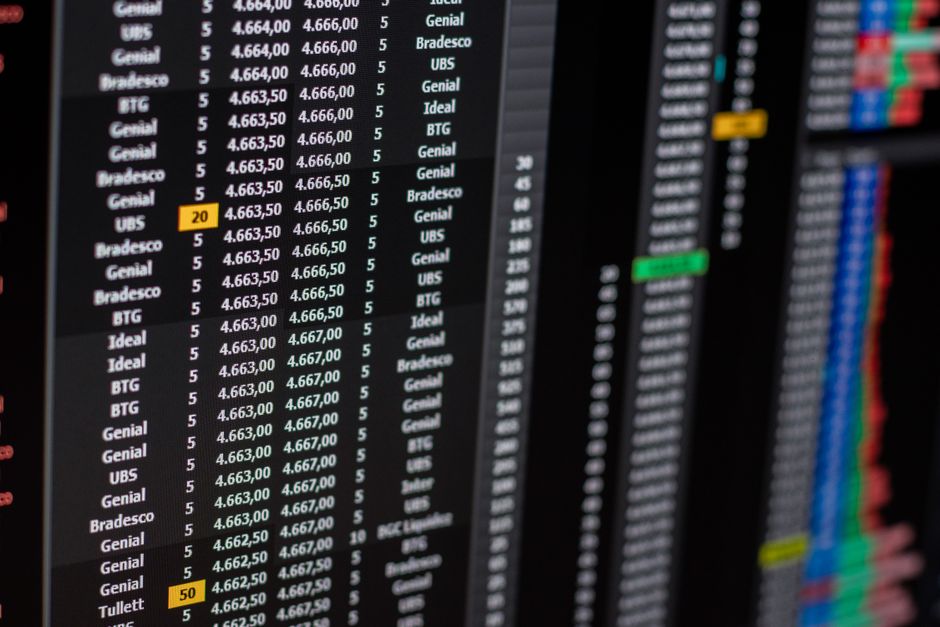
Many traders enter a position at the moment of a price breach and ignore the liquidity sitting just inside the previous boundary, and orb trading risk corprominence tracks these data points to show how often these moves fail. Effective intraday management requires observing the reaction at the edge of the opening range rather than assuming momentum will continue indefinitely. A failed move often leaves a footprint of heavy volume near the level.
Mechanics of the False Breakout
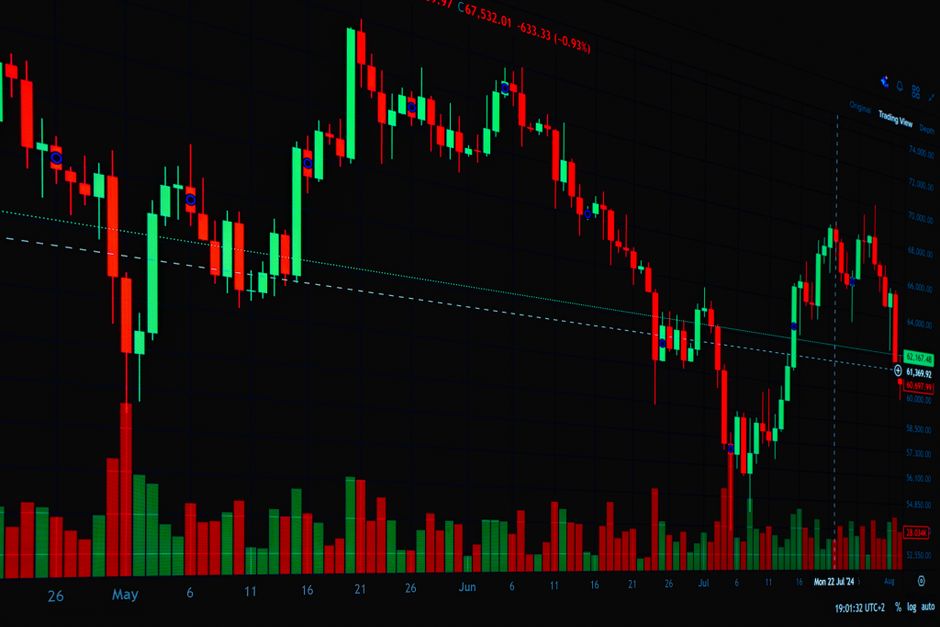
A false breakout occurs when price moves beyond a predefined level, such as the high or low of the fifteen minute range, but fails to hold that territory. The price pushes past the boundary, attracts aggressive buyers or sellers, and then immediately snaps back toward the mean. This reversal happens because the initial breach lacks the volume or the structural support to sustain a new trend. Instead of a breakout, the move becomes a liquidity grab that traps participants on the wrong side of the level. This specific pattern often results in a rapid return to the center of the session high or session low.
Identifying the Trap
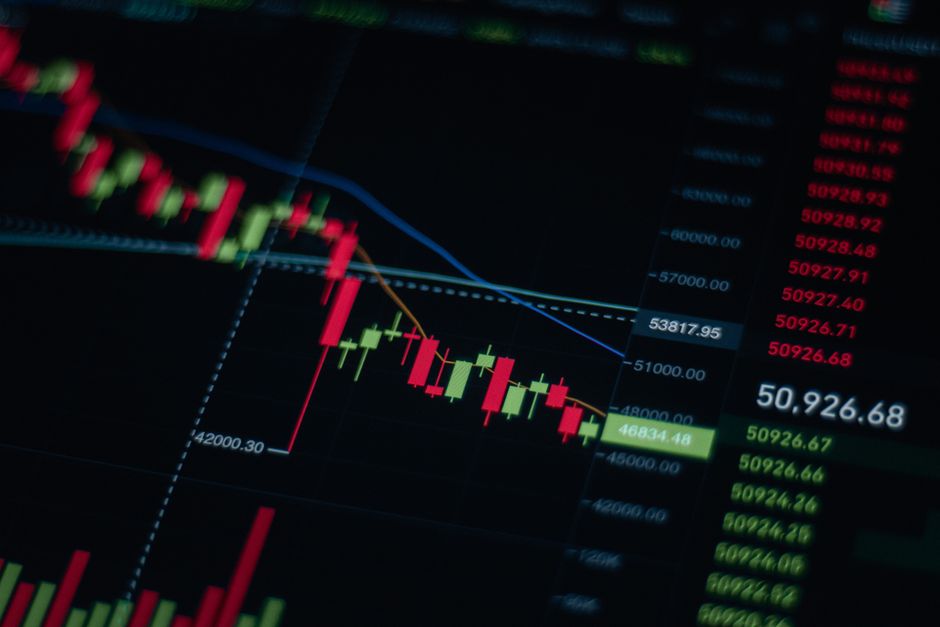
Watching the first fifteen minutes of the session provides the necessary context for these reversals. When price approaches the boundary of a 15 minute range, the speed of the approach matters. A slow, grinding move toward the edge often carries more risk of a reversal than a violent, high volume spike. If the price pierces the level and immediately prints a candle that closes back inside the range, the trap is active. Monitoring the tape at the market open reveals whether the move has real participation or is merely a momentary imbalance. A lack of follow through after the breach is a mechanical signal of a potential failure.
Managing the Risk of Reversals
Position sizing must account for the high volatility seen during the first hour of regular trading hours. A common error involves placing stops exactly at the breakout level. A more disciplined approach places stops beyond the recent swing point that preceded the breach. If a breakout fails, the move back into the range often happens with high velocity. The risk is not just the failed trade, but the speed at which the price returns to the opening range. Using a 5 minute timeframe to confirm the rejection allows for a more precise entry on the reversal rather than chasing the initial spike.
Data and Probability
Statistical analysis shows that false breakouts occur more frequently in low volume environments. During the opening bell, the noise level is high. It is better to wait for a candle to close back inside the boundary before committing capital. A successful trade relies on the distinction between a genuine trend change and a temporary breach of the thirty minute range. The work involves watching the price action at these specific levels without emotional bias.