Position Sizing via ATR-Normalized Stops

Position size depends entirely on the distance to the stop. The running record orb trading risk corprominence holds shows that consistent intraday management requires math rather than intuition. A trader must calculate the volatility of the asset before committing capital to a specific orb. This prevents a single outlier from destroying the equity curve during regular trading hours.
The ATR Volatility Constant

Average True Range provides the metric for the stop distance. A stop placed at a fixed dollar amount or a fixed percentage fails because market noise fluctuates. During the first hour, volatility often expands significantly compared to the overnight session. Using a multiple of the ATR ensures the stop sits outside the standard deviation of price movement. If the ATR on a 15 minute timeframe is two dollars, a two ATR stop requires a four dollar cushion. This distance determines the maximum number of shares or contracts that can be held without violating the predefined risk per trade.
Calculating the Breakout Distance
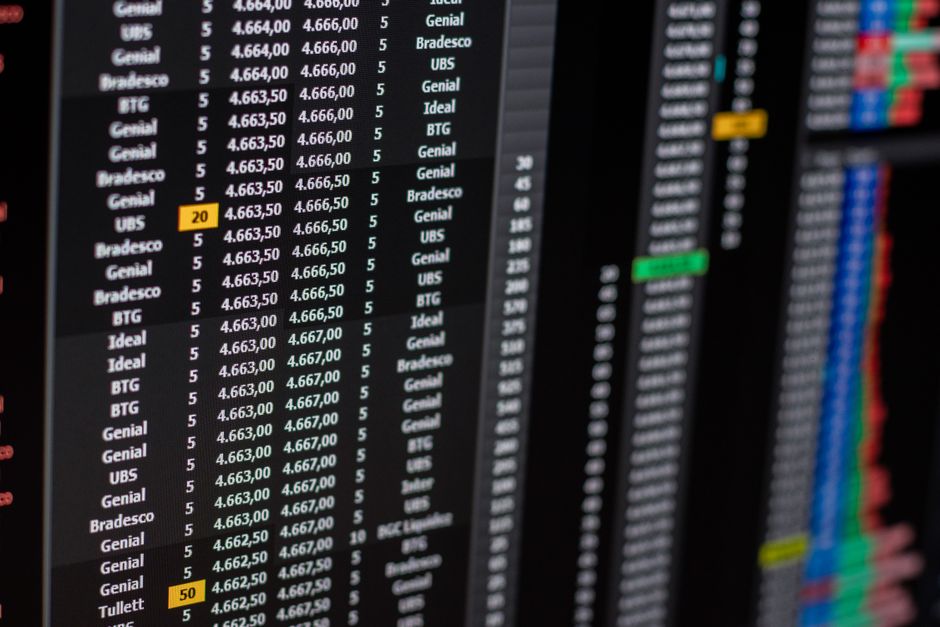
The entry occurs at the edge of the opening range. Once the price breaches the session high or low, the distance to the volatility stop is established. This gap is the denominator in the position sizing equation. A wide opening range breakout results in a larger stop distance. Consequently, the size of the position must decrease to keep the total dollar risk constant. A tight fifteen minute range breakout allows for a larger position size because the capital at risk per unit is lower. The math remains static regardless of the specific instrument.
The Position Sizing Formula
The mechanical process follows a strict sequence. First, determine the total risk amount in dollars. Second, calculate the stop distance by subtracting the ATR-based stop level from the entry price. Third, divide the total risk amount by that stop distance. This quotient is the exact number of units to trade. This method prevents the error of overleveraging during low volatility periods. A small sample overstates the edge if the position size fluctuates wildly based on emotion rather than the math of the opening bell.
Scaling and Execution
Execution happens at the market open or shortly thereafter. The calculation must be completed before the order is sent to the exchange. Relying on mental math during the first fifteen minutes of trade leads to errors. The distance from the entry to the stop must be measured against the current volatility of the specific timeframe being traded. If the price moves toward the stop, the risk is realized. If the price moves in favor, the stop is moved to break even or trailed based on subsequent ATR levels. The goal is the preservation of capital through mathematical consistency.